

When aging water infrastructure meets modern development demands, even routine installations can become complex engineering challenges. This case study examines how a 30-year-old out-of-round ductile iron main in Florida threatened to derail fire protection for a new apartment complex. It highlights how precision measurement and custom engineering transformed a potential project failure into a model for addressing similar infrastructure problems nationwide.
The challenge
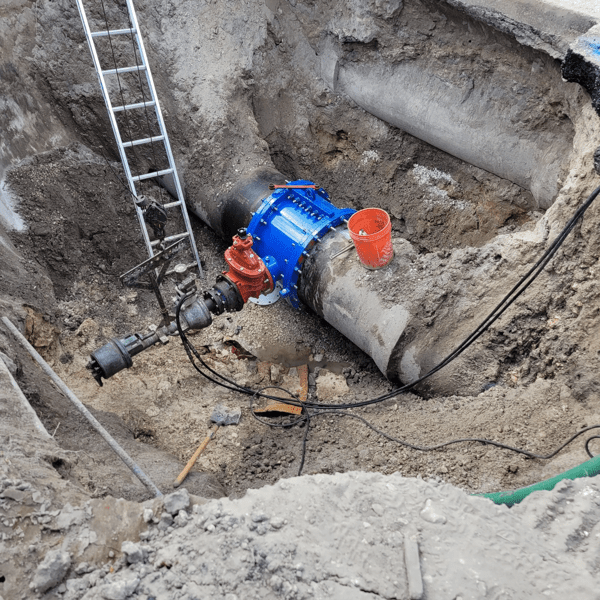
A new residential apartment complex in Florida required fire protection service connections from an existing 30" ductile iron water main installed over 30 years ago by the city. The subcontractor tasked with the installation faced an immediate problem: the existing pipe was out-of-round, preventing standard tapping sleeves from achieving a proper seal.
A local distributor had initially supplied two 30" x 6" tapping sleeves from their standard product line. However, when the subcontractor attempted to install both sleeves (one block apart on the same pipeline), neither would work properly. While pipe outer diameter measurements confirmed the 32.05" reading was well within tolerance, the pipe's geometry was problematic.
The situation escalated when representatives from the distributor’s primary tapping sleeve product vendors were contacted for jobsite visits. Neither manufacturer responded to the request, leaving the contractor without technical support and the project at risk of significant delays.
The solution
The distributor contacted Smith-Blair who sent a representative to the job site. Using a foam board pipe template, the team confirmed the pipe was slightly out-of-round. This finding initiated a methodical approach to solving the problem.
To obtain precise measurements, plant-manufactured pipe templates were created and shipped to the distributor. These templates enabled the team to take exact pipe measurements using a digital caliper, providing the detailed dimensional data needed for a custom solution.
Engineering approval
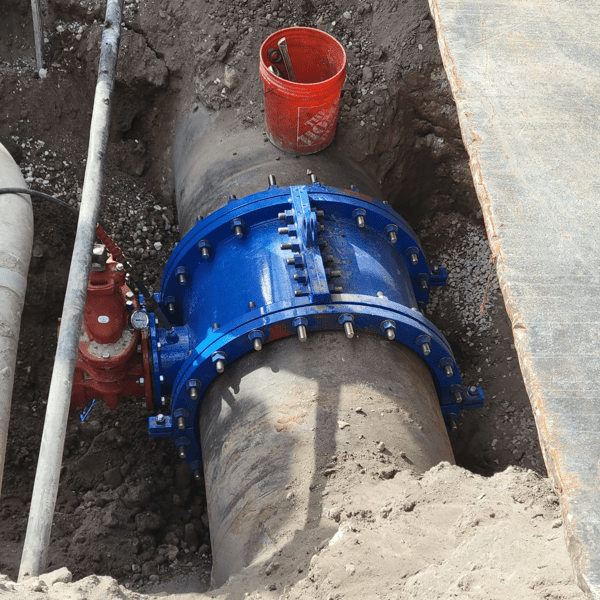
A second jobsite visit in September proved critical. The team met with the city’s engineering department and the project developer to present an alternative solution of using Smith-Blair 624 MJ style tapping sleeves specifically designed to accommodate out-of-round pipe conditions.
Upon receiving approval, 32 precise measurements were taken using the digital caliper at both tapping locations. This comprehensive dimensional analysis provided exact out-of-roundness data for each connection point. Smith-Blair’s Engineering Fabrications team analyzed the measurements and confirmed the pipe was out-of-round by approximately 5/8".
The results
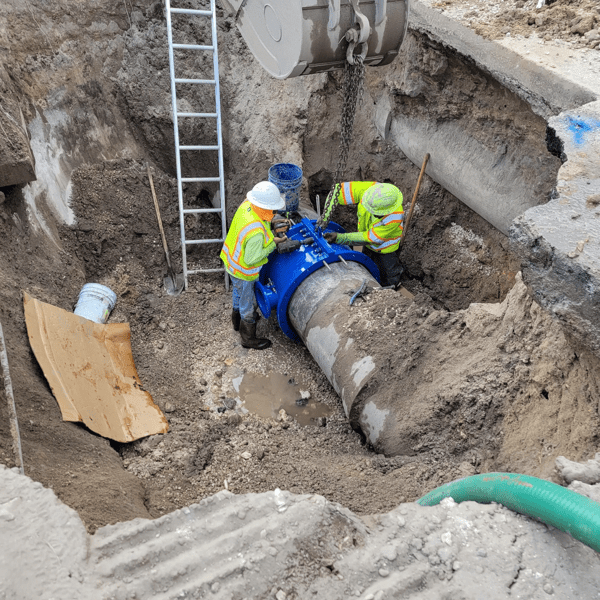
The project achieved complete success, establishing reliable fire protection service for the new apartment complex without disrupting water service to existing customers. The custom-engineered solution not only solved the immediate problem but also demonstrated the value of precision measurement and specialized product engineering.
Key outcomes included:
- Both tapping sleeves passed pressure testing and city inspection on the first attempt
- Zero service interruptions to existing customers during installation
- Fire protection system operational on schedule for apartment complex opening
Conclusion
This project exemplifies how technical challenges in aging infrastructure can be overcome through precise measurement, custom engineering, and collaborative problem-solving. When standard products failed and primary vendors were unresponsive, Smith-Blair's willingness to create custom-engineered solutions based on detailed dimensional analysis turned a potential project failure into a complete success.
As water systems installed decades ago continue to age and develop dimensional irregularities, this approach offers utilities and contractors a proven path to maintaining service reliability while upgrading infrastructure.