

Seismic Considerations
-
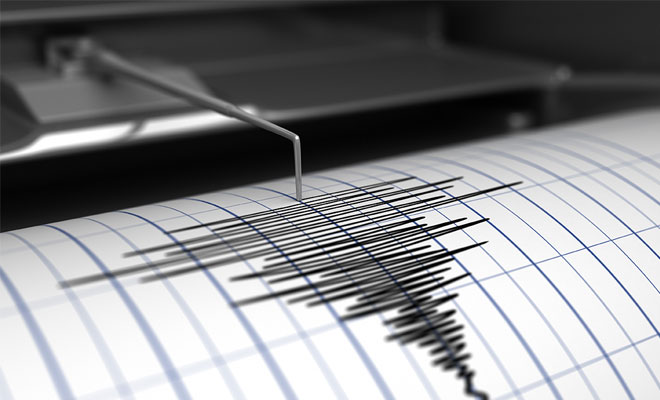
Modifying aeration equipment for seismic activity.
In seismically active areas, the support system for most grids will require some common modifications.
Planning in Seismically Active Areas
When disasters like earthquakes occur, it is essential for utilities to be resilient and quickly restored. While electricity ranks very high, if not the highest, in order of must-have utilities to restore, wastewater treatment can’t be minimized. Restoring wastewater treatment is essential to residents’ quality of life. Aeration equipment is at the heart of the biological process and therefore it is critical that it maintains operability during and after a crisis.
When Seismic Calculations are Required
Anchored to the floor of the tank, aeration equipment will be subject to the forces associated with earthquakes. In general, seismic calculations are required for plants located in seismic zone 2B or higher. When analyzing a grid for potential seismic design considerations, the following factors affect the modifications to the support system:
• Grid dimensions
• Header lengths
• Diffuser elevation off of the floor
• Exact seismic zone in which the plant is located
• Diffuser type
• Manifold/dropleg diameter


Seismic Support Modifications
When seismic calculations indicate that modifications to the support system are required, there are several design aspects that can be modified to comply with the seismic regulations. Aeration manufacturers will differ in the exact details, but for Sanitaire equipment, typical modifications to the support system to meet seismic code requirements include:
• Increasing the support rod thickness
• Decreasing the header and/or manifold support spacing
• Adding struts to some of the supports
• Adding a dropleg sway brace
Typically, some combination of these changes to the support system is required for seismically active areas.