

Buoyancy
-
How does buoyancy impact aeration grid design?
Accounting for the buoyant force of the pipe, along with the resulting vibrations, is critical for long term system integrity.
Buoyancy Forces
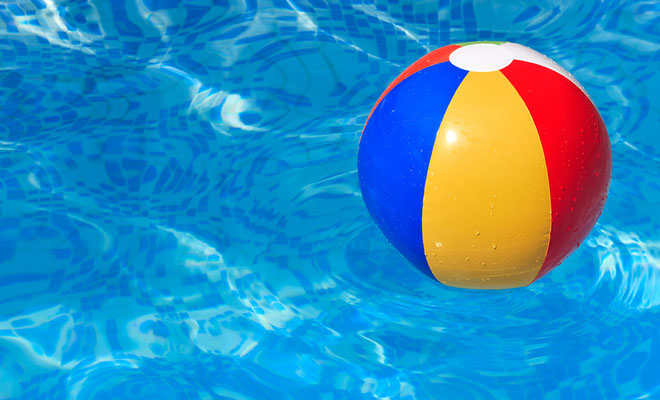
If you have ever tried to hold a beach ball under water then you have felt how buoyant even a small amount of air can be when submerged. In a similar way, an aeration piping grid becomes buoyant when air is blown into the pipe. Along with the buoyancy come vibrations in the piping. Accounting for these forces – both buoyancy and vibrations - during design is critical for long term system integrity.
The buoyant force results from air trapped in the:
- Pipe
- Diffuser holder
- Under the diffuser itself
Calculating Uplift Forces
Having the right supports and anchor bolts in place ensure long-term system integrity. Calculating uplift forces is necessary before selecting supports and anchor bolts. The weight of the aeration grid must be subtracted from the buoyant force to determine the net uplift that must be accounted for by the anchors.
Once the net buoyant force has been calculated, the supports and anchor bolts can be checked to determine if they are sufficient for the grid.

Diffuser Types and their Impact on Buoyancy
Membrane disc diffusers - Even after the blowers are turned off, the buoyant force remains because the check valve feature found in membrane disc diffusers keeps air trapped inside of the aeration grid.
Ceramic disc diffusers – Ceramic disc diffusers do not have a check valve feature. When the blowers are turned off, the grid will fill with water. It’s recommended that the air not be turned off because the ceramic diffuser will collect all of the solids as the water fills the piping grid.
